Intake Manifold Vacuum Leak Symptoms Problems Repairs
Access Now intake manifold vacuum leak symptoms world-class video streaming. 100% on us on our on-demand platform. Dive in in a huge library of expertly chosen media displayed in 4K resolution, suited for first-class watching gurus. With recent uploads, you’ll always remain up-to-date. See intake manifold vacuum leak symptoms recommended streaming in vibrant resolution for a genuinely gripping time. Become a patron of our media world today to stream private first-class media with without any fees, registration not required. Receive consistent updates and explore a world of groundbreaking original content made for premium media experts. Make sure you see singular films—save it to your device instantly! Experience the best of intake manifold vacuum leak symptoms uncommon filmmaker media with brilliant quality and featured choices.
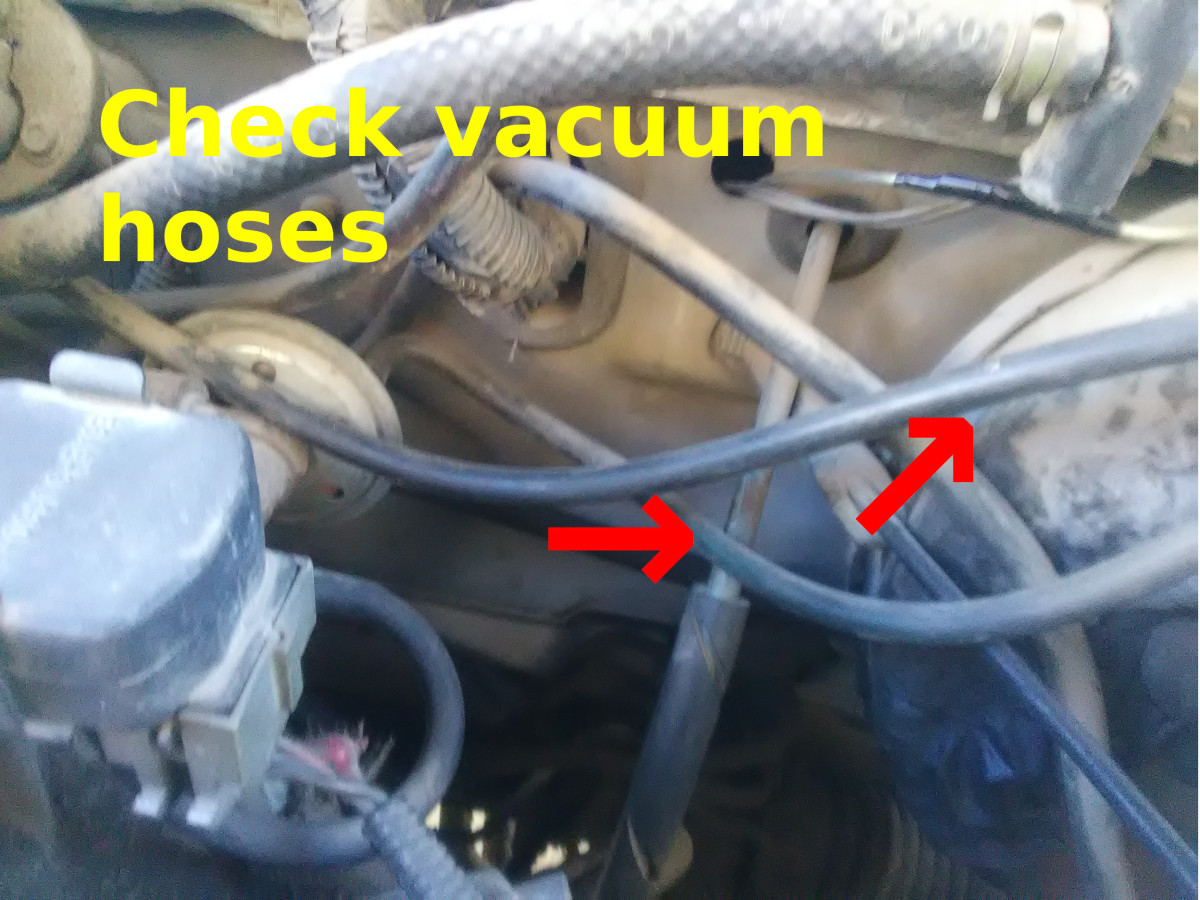
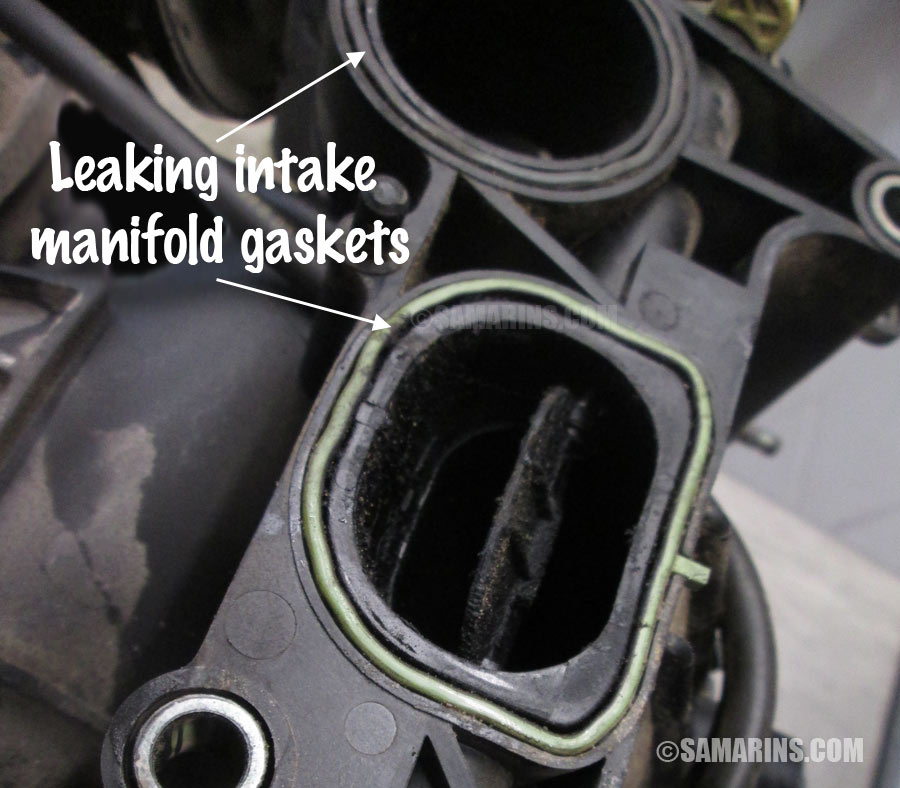
The most common causes of a vacuum leak are a cracked vacuum hose or a leaking intake manifold gasket Stop leaks like vacuum, coolant and oil. It can also leak from the throttle body gasket or, in rare cases, a cracked intake manifold.
Vacuum Leak In Intake Manifold at Josephine Topp blog
The most common symptoms of a vacuum leak include an illuminated check engine light, rough running, stalling, increased engine idle rpm, and a hissing noise from the engine Learn about the causes, symptoms, testing and prevention A vacuum leak occurs when there’s a leak somewhere in the engine, allowing unmetered air to enter the intake manifold, which can cause various problems
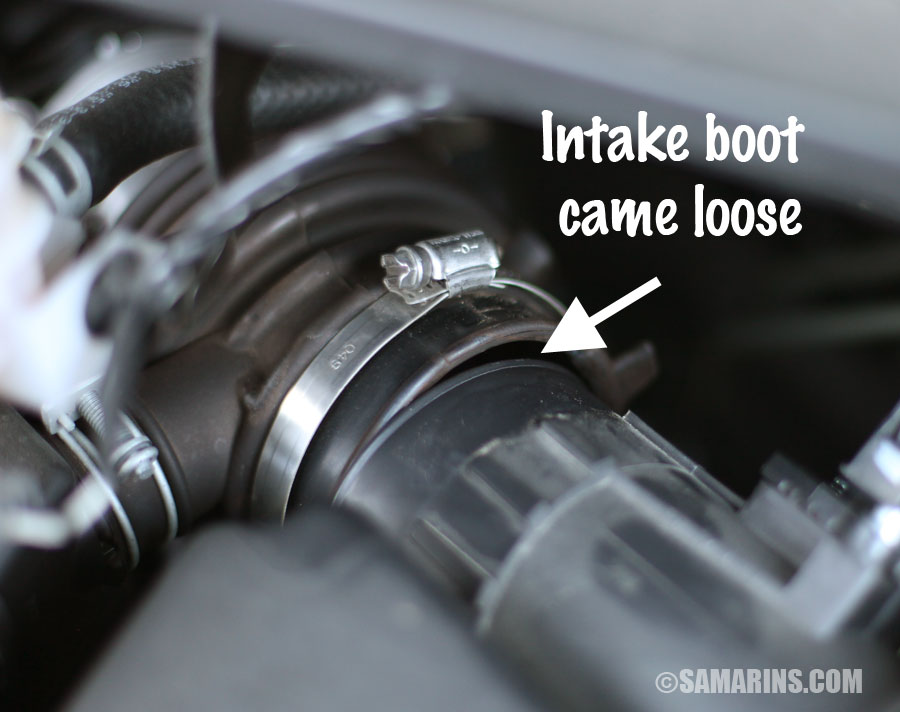
A vacuum leak can be caused by a broken intake manifold, intake.
A vacuum leak can lead to various engine performance issues, including poor fuel efficiency, rough idling, and increased emissions Understanding how to identify and fix a vacuum leak in an intake manifold is crucial for any car owner or enthusiast This detailed article will guide you through the process of diagnosing and repairing vacuum leaks, ensuring your vehicle runs smoothly and. A vacuum leak is most often caused by a damaged plastic or rubber vacuum hose or lines or a leaky cracked intake manifold gasket
Additionally, it might leak through your throttle body gasket or, in infrequent instances, a damaged intake manifold, positive crankcase ventilation (pcv) valve, egr valve, or a faulty brake booster. Discover essential techniques for mastering vacuum leak repair at the intake manifold with cleveland auto repair's comprehensive guide Benefit from expert tips, avoid common mistakes, and implement preventive maintenance to ensure optimal vehicle performance. Having problems with intake manifold leaks