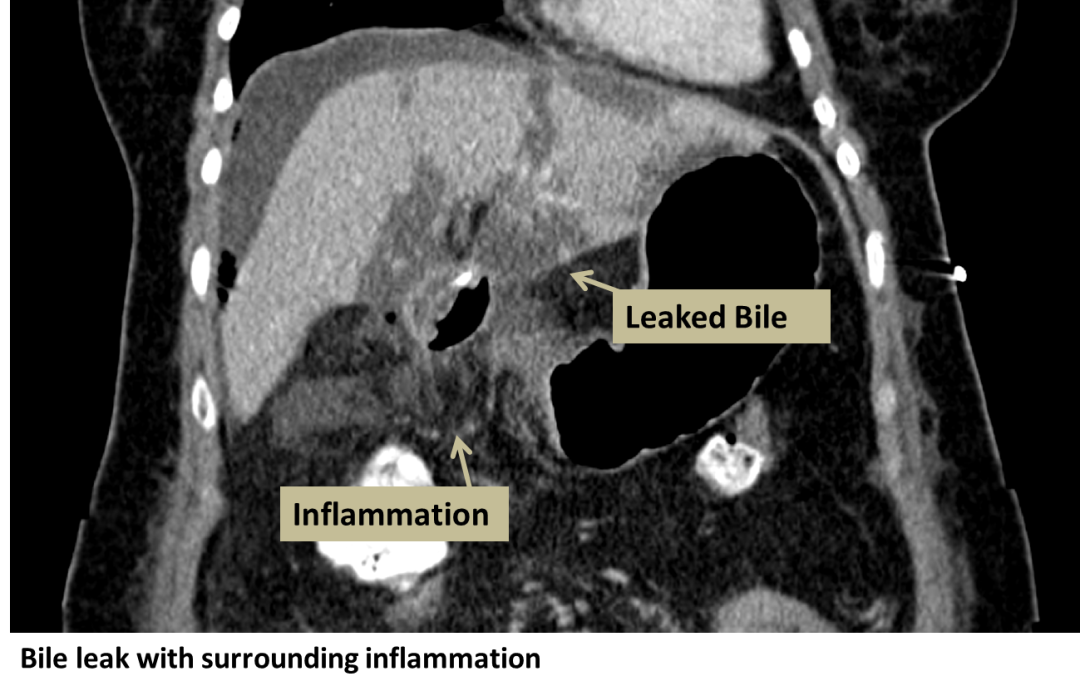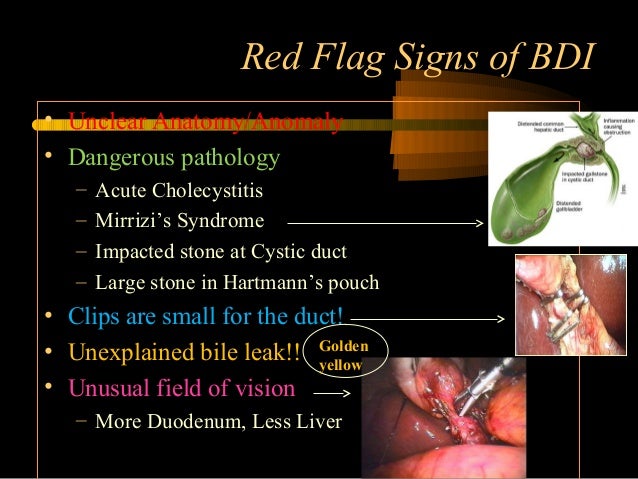
Bile Leak Symptoms Duct Injury During Laparoscopic Cholecystectomy
Begin Your Journey bile leak symptoms premium internet streaming. Gratis access on our binge-watching paradise. Surrender to the experience in a huge library of films exhibited in top-notch resolution, ideal for choice viewing viewers. With new releases, you’ll always stay on top of. Watch bile leak symptoms hand-picked streaming in vibrant resolution for a completely immersive journey. Get involved with our viewing community today to observe subscriber-only media with for free, no need to subscribe. Look forward to constant updates and dive into a realm of original artist media developed for exclusive media devotees. Act now to see uncommon recordings—begin instant download! Experience the best of bile leak symptoms bespoke user media with breathtaking visuals and staff picks.
In humans, bile is primarily composed of water, is produced continuously by the liver, and is stored and concentrated in the gallbladder Bile is a fluid that is made and released by the liver and stored in the gallbladder. After a human eats, this stored bile is discharged into the first section of the small intestine, known as the duodenum
Biliary Leak - Interventional Radiology | UCLA Health
It helps your body break down fats in the foods you eat and makes it easier for digestive enzymes to do their job. The primary digestive function of bile is to aid in the dispersion and digestion of fat in the lumen of the small intestine. Bile is made in your liver and stored in your gallbladder.
Its main job is to break down fats into fatty acids so that they can be absorbed by your body through the digestive tract
Bile is stored in the gallbladder and is sometimes also called gall. Bile is a liquid produced by the liver that helps your body digest fats from the food you eat It is stored in the gallbladder and empties into your intestines during digestion. Bile is a physiological aqueous solution produced and secreted by the liver
It consists mainly of bile salts, phospholipids, cholesterol, conjugated bilirubin, electrolytes, and water.[1] bile travels through the liver in a series of ducts, eventually exiting through the common hepatic duct Bile flows through this duct into the gallbladder, where it is concentrated and stored Your biliary system moves bile through your digestive tract Learn about how it works, issues you may experience, and treatment options today.
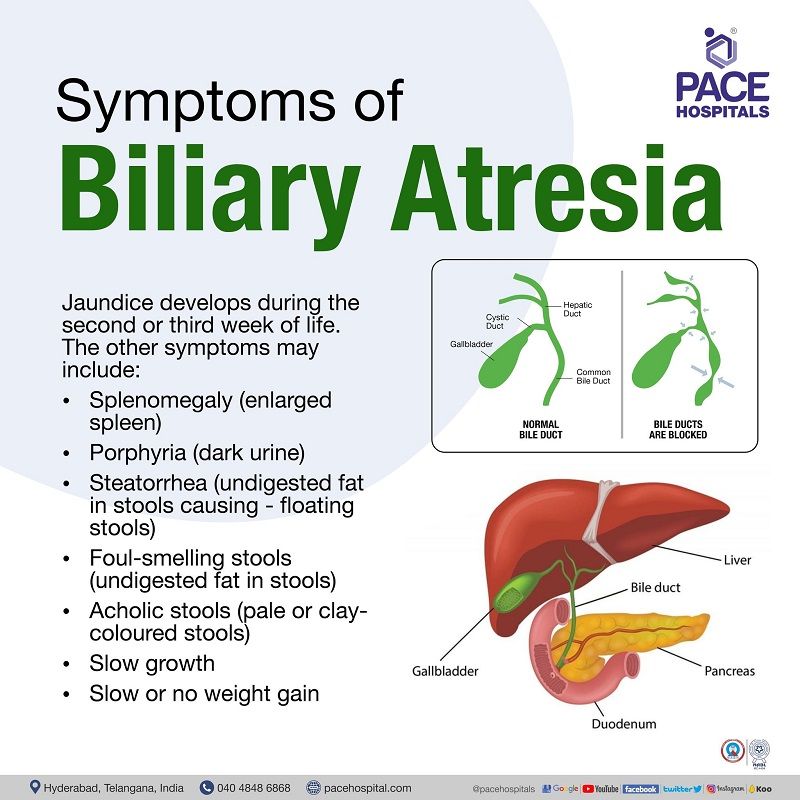
Bile contains many different substances, including bile salts, cholesterol, and bilirubin
After a meal, the gallbladder pumps bile into the duodenum (the first part of the small intestine) to keep the intestine's contents at the appropriate ph for digestion, and to help break down fats.