Is Budding Asexual Reproduction In Plants
Claim Your Access is budding asexual reproduction signature digital media. Without any fees on our binge-watching paradise. Plunge into in a huge library of hand-picked clips on offer in first-rate visuals, excellent for top-tier viewing lovers. With the newest drops, you’ll always stay on top of. Experience is budding asexual reproduction tailored streaming in stunning resolution for a utterly absorbing encounter. Get into our entertainment hub today to enjoy select high-quality media with absolutely no cost to you, no commitment. Appreciate periodic new media and experience a plethora of original artist media perfect for premium media aficionados. Seize the opportunity for hard-to-find content—get it fast! See the very best from is budding asexual reproduction special maker videos with crystal-clear detail and exclusive picks.
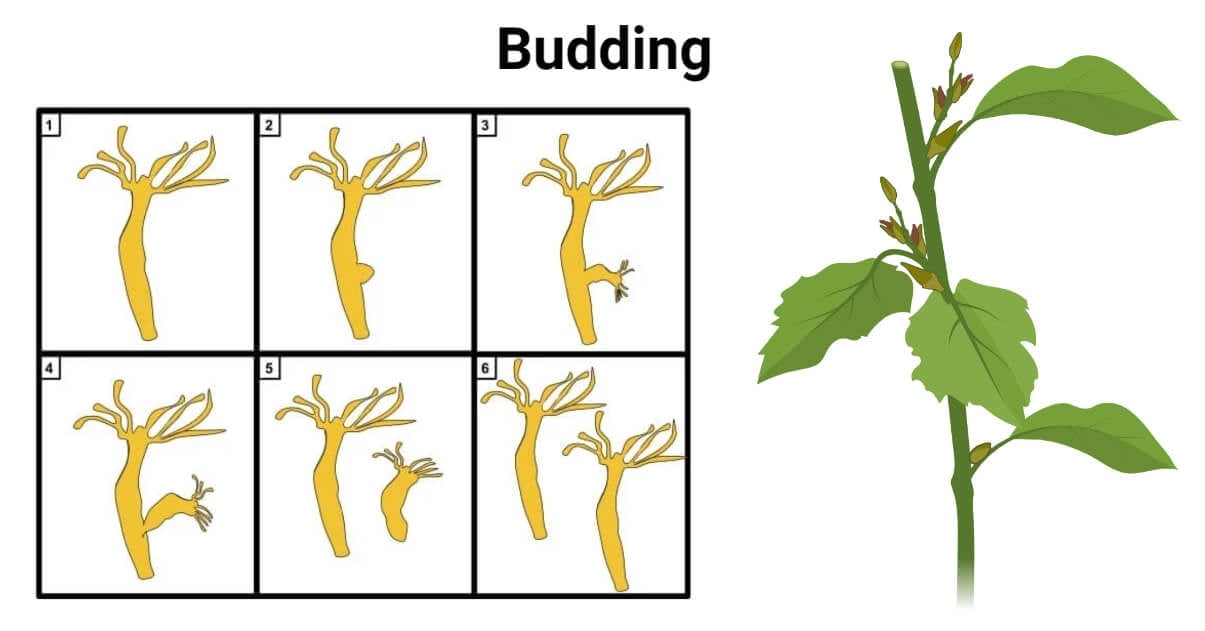
Budding, in biology, a form of asexual reproduction in which a new individual develops from some generative anatomical point of the parent organism Budding in plants is a specialized form of asexual reproduction that offers a plethora of advantages, ensuring the continuity and enhancement of desirable plant traits. In some species buds may be produced from almost any point of the body, but in many cases budding is restricted to specialized areas.
Budding Asexual Reproduction In Plants
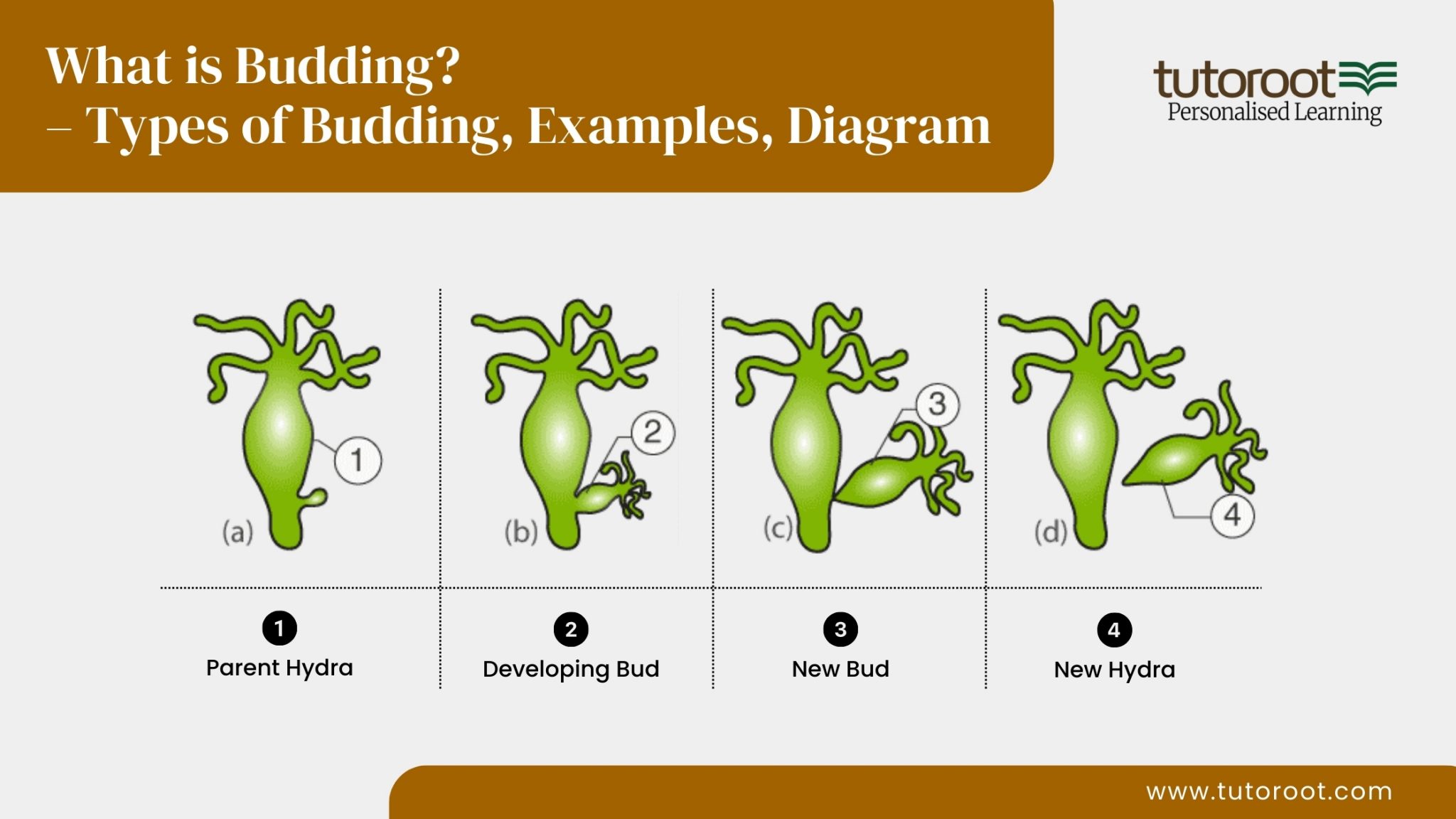
Budding or blastogenesis is a type of asexual reproduction in which a new organism develops from an outgrowth or bud due to cell division at one particular site. Whether in yeast, hydra, or plants, budding allows organisms to quickly and effectively increase their population without the need for genetic recombination. Budding is a mode of asexual reproduction where a new organism develops as an outgrowth from the body of the parent organism
Learn how budding occurs in bacteria, fungi, protozoa, hydra, and plants, and compare it with binary fission.
Budding is a type of asexual reproduction, that results in the formation of a new organism from a growth or bud through cell division at a specific site of the parent's body The progeny produced is identical as only one parent is involved and no genetic variations or recombinations occur There are benefits to the budding technique, including quick growth and the capacity to reproduce without. Budding is a form of asexual reproduction developing a new individual from the same generative anatomical point of the parent organism restricted to specialized areas
However, in some cases, buds can be produced from any point of the body The budding process is observed in various organisms of different species, like fungi, algae, hydra, and some species of coral Budding is a fascinating and efficient mode of asexual reproduction that ensures the rapid propagation and survival of species